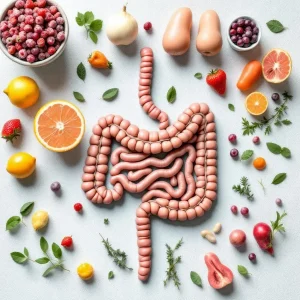
What if the trillions of tiny organisms living in your gut were quietly influencing your mood, your immune system, and even how clearly you think? It might sound like science fiction, but a growing body of research confirms that your gut microbiome — the vast ecosystem of bacteria, fungi, and other microorganisms residing in your digestive tract — is one of the most powerful forces in your overall health. Whether you’re dealing with bloating, brain fog, or just want to feel more energized, understanding your gut is the first step toward transforming how you feel every single day.
What Exactly Is the Gut Microbiome?
Your gut microbiome is a complex community of approximately 38 trillion microorganisms that live primarily in your large intestine. These microscopic residents aren’t just passive hitchhikers — they actively participate in digestion, produce essential vitamins like B12 and K2, and communicate directly with your immune system. Research published in Nature indicates that the diversity of your microbiome is one of the strongest predictors of long-term health outcomes.
Every person’s microbiome is as unique as their fingerprint, shaped by factors like genetics, birth method, early diet, antibiotic use, and lifestyle habits. A healthy microbiome is generally characterized by high diversity — meaning many different species of beneficial bacteria working in balance. When this balance is disrupted (a state known as dysbiosis), the consequences can ripple far beyond your digestive system.
The Gut-Brain Connection: More Than a Gut Feeling
One of the most exciting developments in modern health science is our understanding of the gut-brain axis — a bidirectional communication highway linking your digestive system to your central nervous system. Your gut contains over 500 million neurons and produces approximately 90% of your body’s serotonin, the neurotransmitter most associated with mood regulation and feelings of well-being.
Studies show that people with imbalanced gut microbiomes are significantly more likely to experience symptoms of anxiety, depression, and cognitive difficulties like poor concentration and memory issues. This isn’t simply a correlation — researchers have demonstrated in animal studies that transferring gut bacteria from anxious mice to calm ones actually caused the calm mice to display anxious behavior. While human research is still evolving, the implication is clear: nurturing your gut may genuinely nurture your mind.
Practical takeaway? When you’re working to improve mental clarity or emotional resilience, don’t overlook what’s happening below the belt. Your daily food choices are, in a very real sense, feeding your brain.
Fiber: The Unsung Hero of Gut Health
If there’s one dietary change with the most evidence behind it for improving gut health, it’s increasing your intake of dietary fiber — specifically, the types that feed your beneficial bacteria. Not all fiber is created equal, and understanding the difference can make a meaningful impact on your microbiome.
- Soluble fiber (found in oats, legumes, apples, and flaxseeds) dissolves in water to form a gel-like substance, slowing digestion and feeding beneficial bacteria like Bifidobacterium.
- Insoluble fiber (found in whole grains, nuts, and vegetables) adds bulk to stool and keeps things moving efficiently through the colon.
- Prebiotic fiber (found in garlic, onions, leeks, bananas, and asparagus) acts as specialized fuel for probiotics, helping beneficial bacteria thrive and multiply.
Research indicates that adults who consume at least 25–38 grams of fiber daily have significantly more diverse microbiomes compared to those on low-fiber diets. A simple strategy: aim to eat 30 different plant-based foods each week — vegetables, fruits, legumes, grains, nuts, and seeds all count.
Fermented Foods: Nature’s Original Probiotic Supplement
Before probiotic capsules existed, humans relied on fermented foods to maintain gut health naturally. Fermentation is the process by which bacteria or yeast convert sugars into acids or alcohol, preserving the food while simultaneously creating beneficial live cultures. Including fermented foods in your diet is one of the most evidence-backed ways to introduce diverse probiotic strains into your digestive system.
Best Fermented Foods to Add to Your Diet
- Yogurt (with live cultures) — Look for labels that say “live and active cultures.” Rich in Lactobacillus and Bifidobacterium strains.
- Kefir — A fermented milk drink containing up to 61 different microbial strains. Studies show it can improve lactose digestion and reduce inflammation markers.
- Sauerkraut and Kimchi — Fermented cabbage dishes packed with diverse Lactobacillus species and vitamin C. Choose unpasteurized versions for live cultures.
- Miso and Tempeh — Fermented soy products that provide both probiotics and plant-based protein, making them excellent staples.
- Kombucha — A fermented tea beverage that, while lower in probiotic count than some options, offers organic acids that support gut lining integrity.
A landmark 2021 Stanford study found that a diet high in fermented foods increased microbiome diversity and decreased markers of inflammation more effectively than a high-fiber diet alone. The good news? The two approaches work even better together.
Probiotic Supplements: Do You Actually Need Them?
Walk into any pharmacy and you’ll find an overwhelming array of probiotic supplements promising everything from better digestion to clearer skin. But do they actually work? The honest answer is: it depends. Research indicates that specific probiotic strains have demonstrated benefits for particular conditions — for instance, Lactobacillus rhamnosus GG is well-studied for reducing antibiotic-associated diarrhea, while Bifidobacterium infantis shows promise for irritable bowel syndrome (IBS) symptoms.
However, for generally healthy adults, whole food sources of probiotics and prebiotics are typically sufficient and more cost-effective. If you’ve recently taken antibiotics, are experiencing persistent digestive issues, or have a compromised immune system, speaking with a healthcare provider about targeted probiotic supplementation may be worthwhile.
Simple Daily Habits That Support a Thriving Microbiome
Beyond diet, several lifestyle factors significantly influence gut health. Studies show that chronic stress alters the composition of the microbiome within days, reducing beneficial bacteria and increasing inflammatory species. Regular physical activity, on the other hand, has been shown to increase microbial diversity independently of diet. Even something as simple as spending time in nature or with pets exposes you to diverse microbial environments that enrich your own ecosystem.
Additionally, sleep quality matters more than most people realize — disrupted sleep patterns are directly linked to microbiome imbalances, creating a frustrating cycle where poor gut health further worsens sleep.
Key Takeaways for Better Gut Health Starting Today
- Prioritize diversity in your plant-based food intake — aim for 30 different plants per week.
- Add fermented foods (yogurt, kefir, kimchi, sauerkraut) to at least one meal daily.
- Don’t forget prebiotic foods like garlic, onions, and bananas to feed your beneficial bacteria.
- Manage stress actively through exercise, sleep, and mindfulness — your gut notices everything.
- Consider targeted probiotic supplements only when there’s a specific, evidence-backed reason to do so.
Your microbiome is not fixed — it responds to your choices, sometimes within just 24 to 48 hours of dietary changes. That’s genuinely empowering news. Every meal is an opportunity to either build or deplete the ecosystem that quietly runs so much of your health. Start small, stay consistent, and trust that your gut — quite literally — knows what it needs.
FAQ
How long does it take to improve gut health through diet?
Research indicates that the gut microbiome can begin shifting in composition within 24 to 48 hours of significant dietary changes. However, meaningful, lasting improvements in microbial diversity typically require consistent dietary habits maintained over several weeks to months. Adding fermented foods and fiber gradually (to avoid bloating) and sticking with the changes long-term is the most effective approach.
Can gut health really affect my mood and mental health?
Yes — this is one of the most well-supported areas of microbiome research. Through the gut-brain axis, your gut microbiome communicates with your brain via the vagus nerve and produces key neurotransmitters including about 90% of the body’s serotonin. Studies show that dysbiosis (microbial imbalance) is associated with higher rates of anxiety and depression. While gut health isn’t the only factor in mental wellness, supporting your microbiome is increasingly recognized as a meaningful component of emotional health.
What foods should I avoid for better gut health?
Research consistently links several dietary patterns to poor microbiome health: ultra-processed foods, artificial sweeteners (which may alter bacterial composition), excessive alcohol, and diets high in refined sugars and unhealthy fats. These foods tend to reduce microbial diversity and promote the growth of inflammatory bacterial species. Reducing — rather than eliminating — these foods while simultaneously increasing fiber and fermented food intake yields the most practical and sustainable results.
Are probiotic supplements better than probiotic foods?
Not necessarily. While supplements offer concentrated doses of specific strains, whole fermented foods provide a broader range of live cultures along with additional nutrients, fiber, and bioactive compounds that work synergistically. For most healthy adults, a diet rich in fermented foods and prebiotics provides sufficient probiotic support. Supplements may be beneficial in specific clinical situations, such as after antibiotic use or for managing diagnosed digestive conditions, ideally under medical guidance.