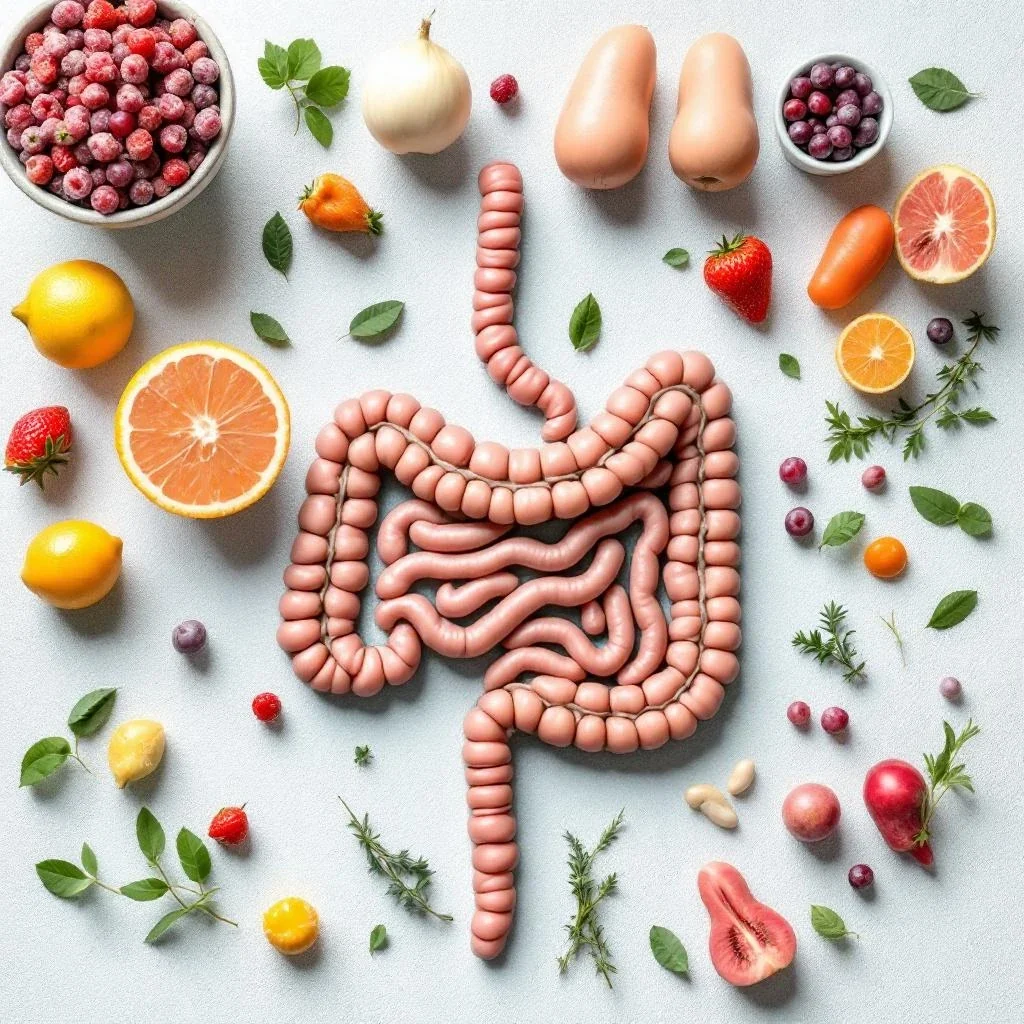
What if the key to feeling better — mentally and physically — was sitting right in your gut? Over the past decade, scientists have made some truly remarkable discoveries about the gut microbiome, that bustling community of trillions of bacteria, fungi, and other microorganisms living in your digestive tract. Far from being just a digestion machine, your gut is increasingly recognized as a command center that influences everything from your immune system to your emotional wellbeing. If you’ve ever had a “gut feeling” or felt butterflies before a big event, you’ve already experienced the gut-brain axis in action. Let’s dive into what the science says — and more importantly, what you can actually do about it.
What Is the Gut Microbiome, Exactly?
Your gut microbiome is a vast ecosystem containing an estimated 38 trillion microorganisms, most of which live in your large intestine. These microbes aren’t just hitchhikers — they’re active participants in your health. They help break down food, produce vitamins like B12 and K2, regulate inflammation, and even manufacture neurotransmitters like serotonin.
Research indicates that no two people have the same microbiome composition. Your unique microbial fingerprint is shaped by factors including how you were born (vaginal vs. cesarean delivery), whether you were breastfed, the medications you’ve taken, your stress levels, and — most importantly — what you eat every single day.
A diverse microbiome is generally considered a healthy one. Studies show that people with a wider variety of gut bacteria tend to have stronger immune responses, better metabolic health, and even improved mental resilience. The good news? Diet is one of the most powerful levers you can pull to shift your microbiome in a positive direction.
The Gut-Brain Axis: Your Second Brain Isn’t a Myth
You may have heard the gut referred to as the “second brain,” and for good reason. The enteric nervous system — a complex network of over 500 million neurons lining your gastrointestinal tract — communicates directly with your brain via the vagus nerve. This two-way communication highway is what scientists call the gut-brain axis.
Here’s a striking fact: approximately 90% of the body’s serotonin, the neurotransmitter most associated with mood and happiness, is produced in the gut. This means the state of your microbiome can directly influence how you feel emotionally. Research published in journals like Nature Microbiology has found links between certain gut bacteria and conditions like depression, anxiety, and even cognitive decline.
When your gut microbiome is out of balance — a state called dysbiosis — it can trigger low-grade inflammation that travels to the brain, potentially affecting mood, concentration, and sleep quality. This is why many people who start improving their gut health report feeling clearer-headed and more emotionally stable, sometimes within just a few weeks.
Fiber: The Unsung Hero of a Healthy Gut
If there’s one dietary change that consistently shows up in gut health research, it’s increasing fiber intake. But not all fiber is created equal. There are two main types worth understanding:
- Soluble fiber — dissolves in water and forms a gel-like substance that feeds beneficial bacteria. Found in oats, apples, beans, and flaxseeds.
- Insoluble fiber — adds bulk to stool and helps move things through the digestive tract. Found in whole grains, nuts, and vegetables like carrots and celery.
Beyond these two, there’s a special category called prebiotic fiber — types that specifically fuel the growth of beneficial bacteria. Foods rich in prebiotics include garlic, onions, leeks, Jerusalem artichokes, bananas (especially slightly underripe ones), and asparagus.
Studies show that people who eat 30 or more different plant-based foods per week have significantly more diverse microbiomes than those eating fewer varieties. This doesn’t mean you need to eat 30 different vegetables — herbs, spices, nuts, seeds, and legumes all count. Start tracking your plant variety and you might be surprised at how achievable this goal actually is.
Fermented Foods: Bringing Live Cultures to Your Table
Fermented foods have been a dietary staple across cultures for thousands of years, and modern science is confirming what our ancestors intuitively knew: these foods are genuinely good for your gut. Fermentation introduces live beneficial bacteria — probiotics — directly into your digestive system.
A landmark 2021 study from Stanford University found that a diet high in fermented foods increased microbiome diversity and reduced markers of inflammation more effectively than a high-fiber diet alone. The most beneficial fermented foods include:
- Yogurt — look for labels that say “live and active cultures”
- Kefir — a fermented milk drink with a wider variety of bacterial strains than yogurt
- Kimchi — a spicy Korean fermented vegetable dish rich in Lactobacillus bacteria
- Sauerkraut — raw, unpasteurized versions contain the most live cultures
- Miso — a fermented soybean paste used in Japanese cooking
- Kombucha — a fermented tea, though watch for added sugars
- Tempeh — fermented soybeans that also serve as an excellent plant-based protein
A practical tip: aim to include at least one fermented food in your diet daily. Even a few tablespoons of sauerkraut alongside a meal makes a meaningful difference over time.
Probiotic Supplements: Do You Actually Need Them?
With probiotics being one of the best-selling supplement categories worldwide, it’s worth asking: are they necessary if you’re already eating well? The honest answer is — it depends.
Probiotic supplements can be particularly useful after a course of antibiotics (which wipe out both harmful and beneficial bacteria), during periods of high stress, or if you’re recovering from a digestive condition like IBS or a bout of traveler’s diarrhea. Research indicates that specific strains like Lactobacillus rhamnosus and Bifidobacterium longum have well-documented benefits for digestive and mental health.
However, for most healthy adults eating a varied diet rich in fiber and fermented foods, supplements may offer less benefit than simply improving daily dietary habits. If you do choose a probiotic supplement, look for one with at least 10 billion CFUs, multiple strains, and a reputable third-party testing certification.
Simple Daily Steps to Start Improving Your Gut Health
Understanding the science is one thing — putting it into practice is another. Here’s a straightforward daily framework to get started:
- Eat more plants, more variety — aim for at least 5 different plant foods per day and work toward that 30-per-week goal.
- Add one fermented food daily — even a small serving counts.
- Hydrate consistently — water helps fiber do its job effectively.
- Manage stress actively — chronic stress disrupts the gut-brain axis. Try mindfulness, walking, or even 10 minutes of quiet time.
- Prioritize sleep — studies show poor sleep negatively impacts microbiome diversity within just two days.
- Limit ultra-processed foods — these often contain emulsifiers and artificial additives that research suggests may disrupt the gut lining.
Key Takeaways
Your gut is far more than a digestive organ — it’s a dynamic ecosystem that talks to your brain, trains your immune system, and influences your mood every single day. The science of the gut-brain axis is still evolving, but the core message is already clear: taking care of your microbiome is taking care of your whole self.
Focus on diversity in your plant foods, incorporate fermented foods regularly, choose fiber-rich whole foods over processed ones, and give your body the sleep and stress relief it needs to keep that gut-brain communication running smoothly. Small, consistent changes really do add up — and your microbiome can begin shifting in positive ways within as little as two to four weeks of dietary changes.
Your gut has been sending you signals all along. It’s time to start listening.