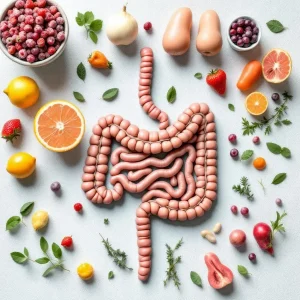
If you’ve ever felt “butterflies” in your stomach before a big presentation or noticed your digestion goes haywire during stressful periods, you’ve experienced the gut-brain connection firsthand. But what’s actually happening beneath the surface is far more fascinating — and more important to your overall health — than most people realize. Your gut is home to trillions of microorganisms collectively known as the microbiome, and research is increasingly showing that these tiny residents influence everything from your mood and mental clarity to your immune function and energy levels. Understanding this connection is the first step toward taking meaningful control of your health.
What Exactly Is the Gut Microbiome?
Your gut microbiome is a vast, complex ecosystem living primarily in your large intestine. It contains an estimated 38 trillion microorganisms, including bacteria, fungi, viruses, and other microbes. While that number alone is staggering, what’s even more remarkable is the diversity of roles these organisms play. They help digest food, synthesize vitamins like B12 and K, regulate inflammation, and protect against harmful pathogens.
No two microbiomes are identical. Your unique microbial fingerprint is shaped by factors including your birth method, early diet, geographic location, antibiotic history, stress levels, and what you eat on a daily basis. Studies show that individuals with a more diverse microbiome tend to have better metabolic health, stronger immune responses, and even more stable moods. Diversity, it turns out, is not just a social virtue — it’s a biological one too.
The Gut-Brain Axis: Your Body’s Hidden Communication Highway
The gut-brain axis is a bidirectional communication network linking your central nervous system with your enteric nervous system — the latter being the complex web of neurons lining your gastrointestinal tract. Scientists sometimes refer to the gut as the “second brain” because it contains over 500 million neurons and produces around 90% of the body’s serotonin, the neurotransmitter most associated with mood regulation and emotional well-being.
Research published in journals like Nature Microbiology and Frontiers in Neuroscience indicates that gut bacteria directly influence brain chemistry by producing neurotransmitters, short-chain fatty acids, and inflammatory signals that travel along the vagus nerve to the brain. This helps explain why conditions like anxiety, depression, and even cognitive decline are increasingly being studied through the lens of gut health. A disrupted microbiome — a state known as dysbiosis — has been linked in studies to higher rates of depression and anxiety disorders.
Fiber: The Fuel Your Good Bacteria Are Starving For
If you want to support your microbiome, dietary fiber is one of the most powerful tools available. But not all fiber is created equal. Understanding the different types can help you make smarter food choices.
- Soluble fiber (found in oats, apples, legumes, and flaxseeds) dissolves in water to form a gel-like substance. It feeds beneficial bacteria like Bifidobacterium and Lactobacillus, which produce short-chain fatty acids that reduce gut inflammation.
- Insoluble fiber (found in whole grains, nuts, and the skins of vegetables) adds bulk to stool and speeds gut transit time, preventing constipation and reducing the risk of colorectal cancer.
- Prebiotic fiber (found in garlic, onions, leeks, asparagus, and bananas) acts as a specific food source for beneficial microbes. Research indicates that a diet rich in prebiotics can meaningfully increase microbial diversity within just a few weeks.
Most adults consume only about 15 grams of fiber per day, well below the recommended 25–38 grams. A simple way to increase your intake is to add one new plant-based food to each meal and gradually build up over several weeks to avoid bloating and gas.
The Power of Fermented Foods: Natural Probiotics on Your Plate
Probiotics are live microorganisms that, when consumed in adequate amounts, provide health benefits to the host. While probiotic supplements have their place, fermented foods offer a rich, naturally occurring source of beneficial bacteria alongside vitamins, enzymes, and other bioactive compounds.
A landmark study published in Cell in 2021 found that a high-fermented-food diet significantly increased microbiome diversity and reduced markers of inflammation compared to a high-fiber diet alone. The most beneficial fermented foods to incorporate include:
- Yogurt — Choose plain, unsweetened varieties with “live and active cultures” listed on the label.
- Kefir — A fermented milk drink that studies show can improve lactose digestion and boost immune function.
- Sauerkraut and kimchi — Fermented vegetables rich in Lactobacillus strains and beneficial for both gut and immune health.
- Miso and tempeh — Fermented soy products that are also excellent sources of plant-based protein.
- Kombucha — A fermented tea with organic acids and a small but meaningful probiotic content.
Start slowly with fermented foods if you’re not used to them — about a tablespoon or small portion per day — and increase gradually. Your gut bacteria need time to adjust.
Lifestyle Habits That Harm (and Help) Your Microbiome
Diet is the most powerful lever for shaping your microbiome, but it’s not the only one. Several everyday habits have a profound impact on your microbial health:
- Sleep: Research indicates that even short-term sleep deprivation reduces microbial diversity. Aim for 7–9 hours of quality sleep per night.
- Exercise: Studies show that regular moderate exercise increases the abundance of butyrate-producing bacteria, which are anti-inflammatory and supportive of the gut lining.
- Chronic stress: Elevated cortisol disrupts the gut-brain axis and can promote dysbiosis. Practices like mindfulness, deep breathing, and yoga have been shown to positively influence gut health.
- Antibiotics: While sometimes medically necessary, antibiotics can wipe out beneficial bacteria for months. Always take them only when prescribed, and consider a probiotic supplement during and after a course.
- Ultra-processed foods: Diets high in refined sugars, artificial additives, and unhealthy fats are consistently linked with reduced microbial diversity and increased gut permeability — often called “leaky gut.”
Key Takeaways: Your Gut Health Action Plan
Supporting your microbiome doesn’t require a dramatic overhaul of your lifestyle. Small, consistent changes build up to significant results over time. Here’s a practical summary to get you started:
- Aim to eat 30 different plant foods per week — research from the American Gut Project found this is strongly associated with greater microbiome diversity.
- Include at least one fermented food daily from the list above.
- Prioritize prebiotic-rich foods like garlic, onions, and asparagus to feed your beneficial bacteria.
- Protect your sleep, manage your stress, and stay physically active — your gut is listening.
- Avoid unnecessary antibiotics and limit ultra-processed foods as much as possible.
Your gut is far more than a digestive organ — it is a dynamic, intelligent system that communicates constantly with your brain, immune system, and nearly every other part of your body. By giving your microbiome the diversity of nourishment and care it needs, you’re investing not just in better digestion, but in sharper thinking, more stable moods, and long-term resilience. Start with one change today. Your gut — and your brain — will thank you.